Cruise ports in Italy
Italy is the country where the cruise-day maths matters most, because half its ports are not destinations at all. Civitavecchia exists to put you on a train to Rome, Livorno does the same for Florence and Pisa, La Spezia for the Cinque Terre. On paper they look like nine-hour calls. In practice the transfer takes a bite out of both ends of the day, and what is left is the number worth planning around.
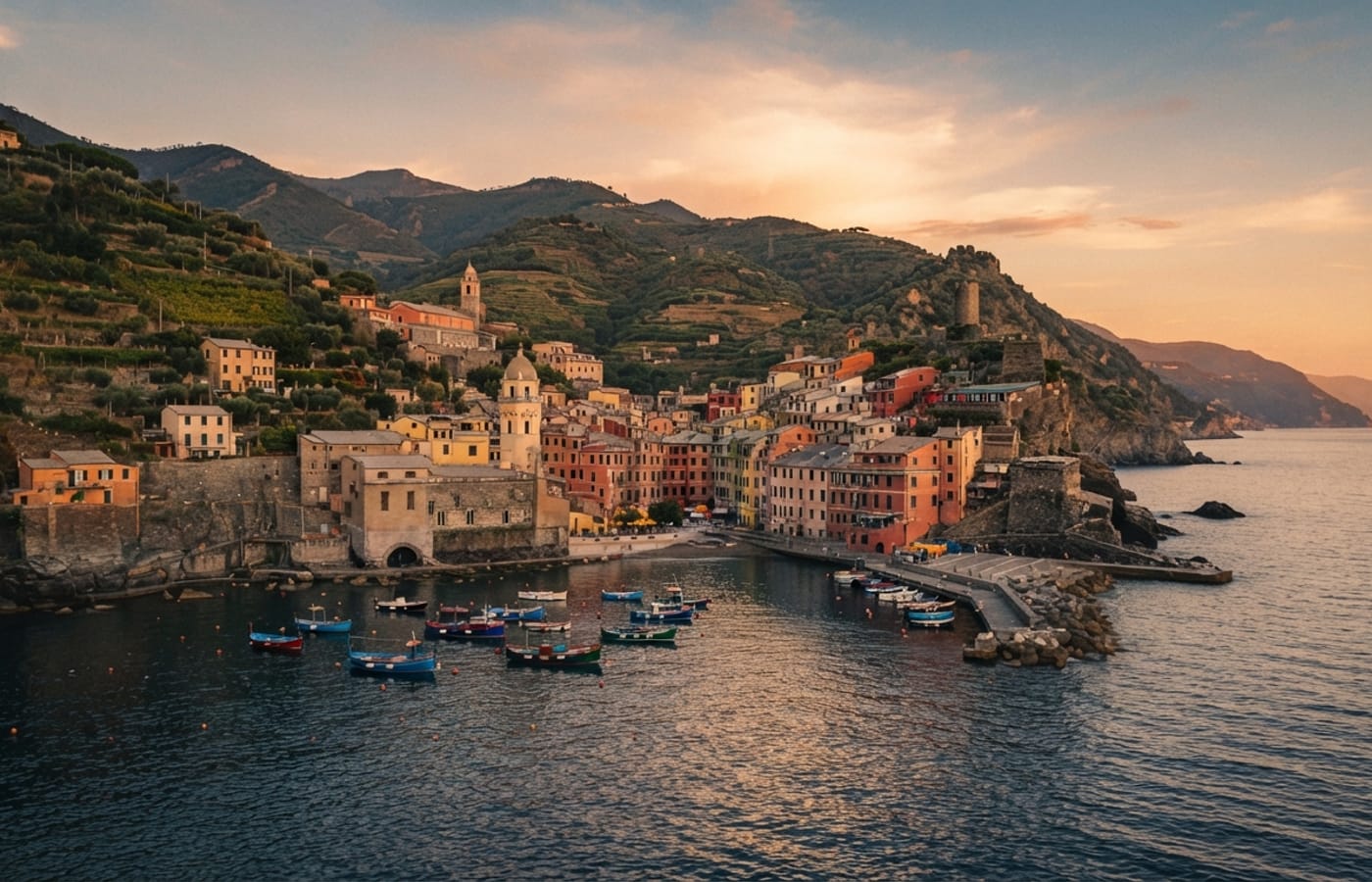
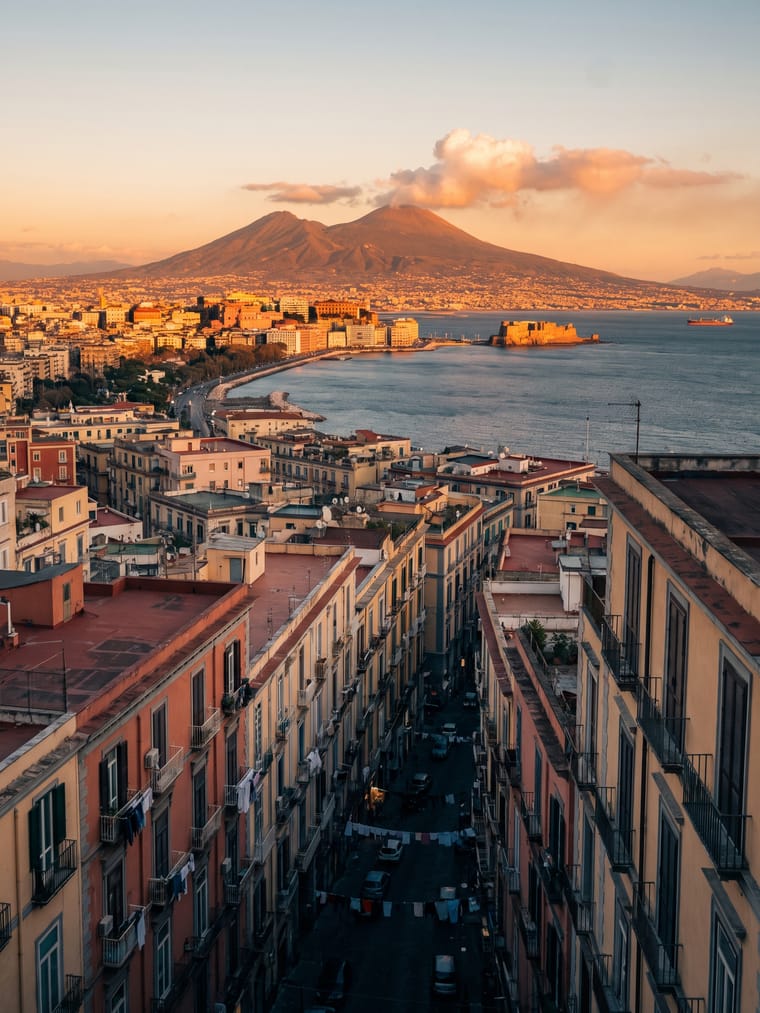
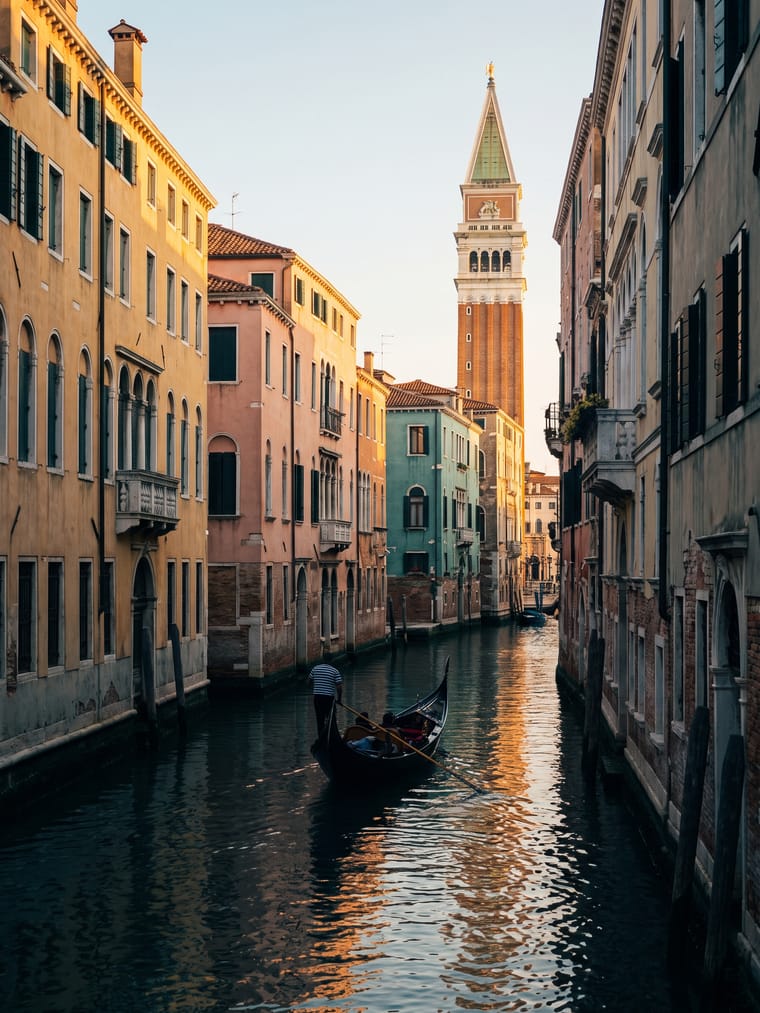
The other half is the opposite. Naples and Messina put you in a working city centre within a ten-minute walk of the gangway, and Venice is its own category since the large-ship ban moved most arrivals out to Marghera. Knowing which kind of port you are calling at is the single most useful thing to sort out before you sail.
Every port at a glance
Every port below is run through the same standard call — ashore at 08:00, all aboard at 17:00, with a one-hour safety margin — so the numbers are comparable.
| Port | Berth | To centre | Lost getting ashore | To the main draw | Usable on a 9h call |
|---|---|---|---|---|---|
| La Spezia | Dock | 2 km | −15min | 15min | 7h 45m |
| Naples | Dock | 1.2 km | −15min | 18min | 7h 45m |
| Venice | Dock | 8 km | −20min | 40min | 7h 40m |
| Messina Gateway | Dock | 0.8 km | −10min | 55min | 7h 50m |
| Livorno Gateway | Dock | 2.5 km | −15min | 1h 10min | 7h 45m |
| Civitavecchia Gateway | Dock | 1.2 km | −15min | 1h 25min | 7h 45m |
La Spezia puts you in front of the main sight fastest (15min); Civitavecchia takes longest (1h 25min). Messina, Livorno, Civitavecchia are gateways: what you came for is inland, so the transfer is the plan.
What a port day here is really like
Italy is in the Schengen area, so cruise passengers clear no immigration on a normal Mediterranean itinerary and the only thing standing between you and the pier is your ship’s own disembarkation. Regional trains are the backbone of every gateway trip here: cheap, frequent and generally reliable, but they do not wait for you and a strike can be announced days ahead. Check the return timetable when you arrive, not when you want to leave.
One habit pays for itself across all six ports. Buy the return leg at the same time as the outbound, decide your turn-back time before you start walking, and treat it as fixed. Every Italian port on this list is comfortable if you protect the return, and every one of them is where people get caught if they do not.
Cruise ports
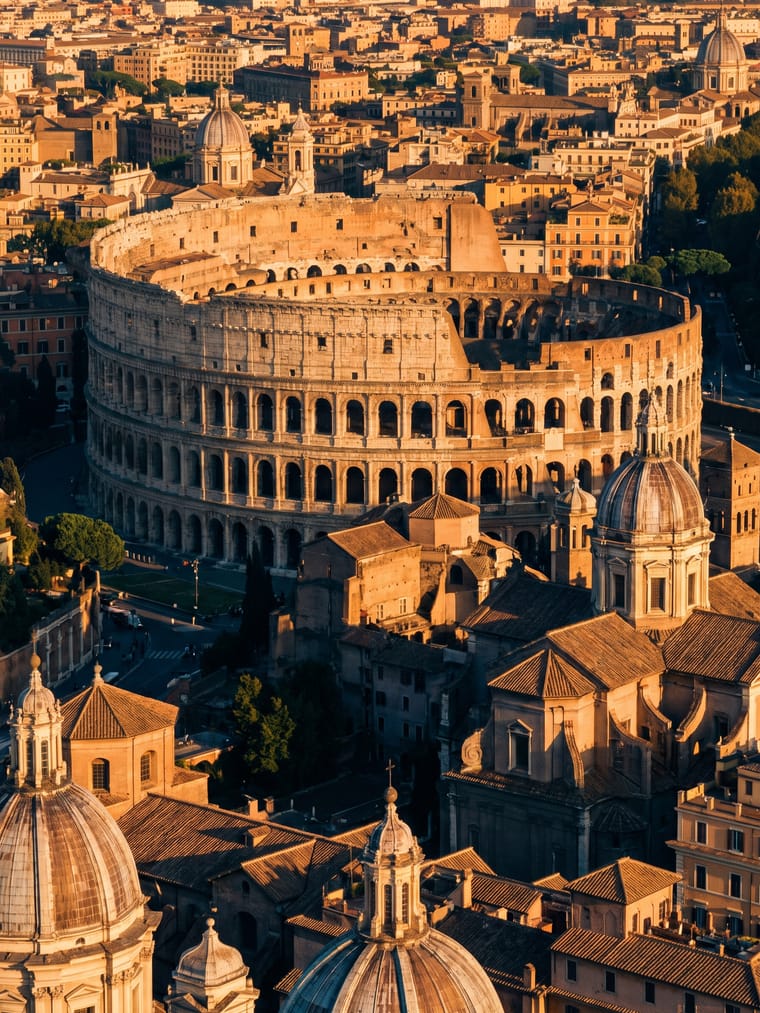 CIV · 42.1°N
 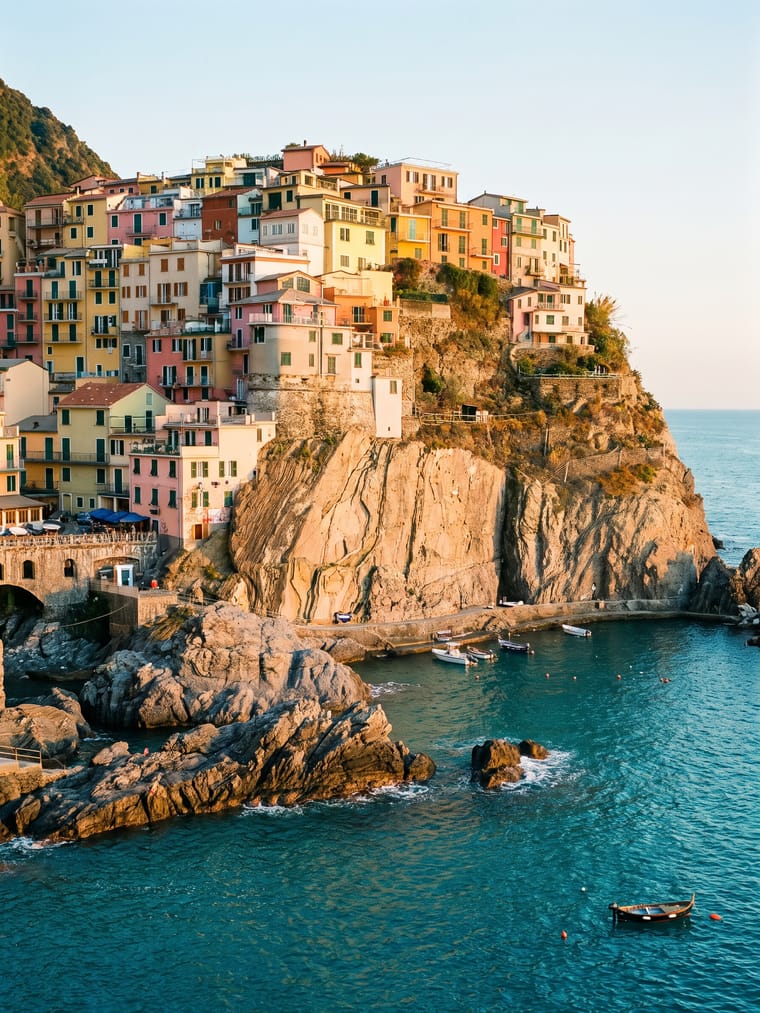 SPE · 44.1°N
  LIV · 43.5°N
 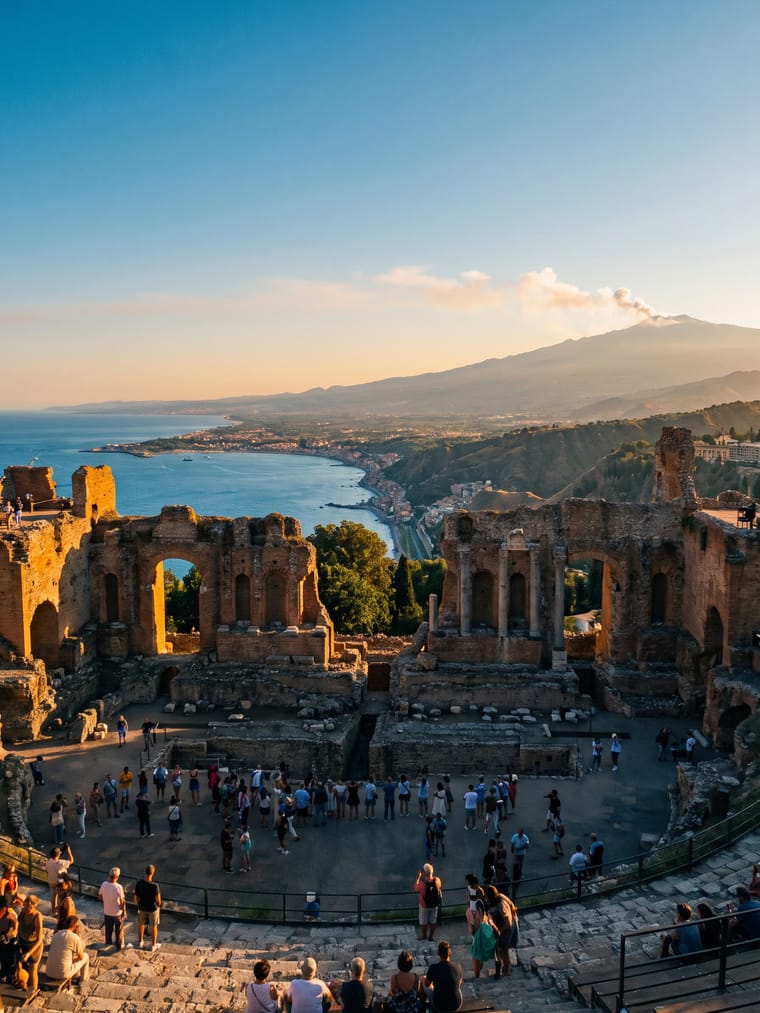 ITMSN · 38.2°N
  NAP · 40.8°N
  ITVCE · 45.4°N
 Port day questions
Which Italian port is the one for Rome?
Civitavecchia, about 80 km northwest of the city. There is no cruise berth in Rome itself — reaching the centre means a port shuttle plus a 45 to 80 minute train, each way.
Which Italian cruise ports can you walk off into town?
Naples and Messina both put you in the city centre on foot in about ten to fifteen minutes. Venice depends entirely on which berth your ship uses.
Are any Italian cruise ports tender ports?
None of the six here anchor as standard — all are dock ports. The time cost in Italy comes from the transfer inland, not from getting ashore.
Can you still visit Venice by cruise ship?
Yes, but large ships no longer enter the Giudecca Canal. Most now berth at Marghera and reach the historic centre by shuttle and boat, which is a real transfer to plan for rather than a short walk.