Cruise ports in Greece
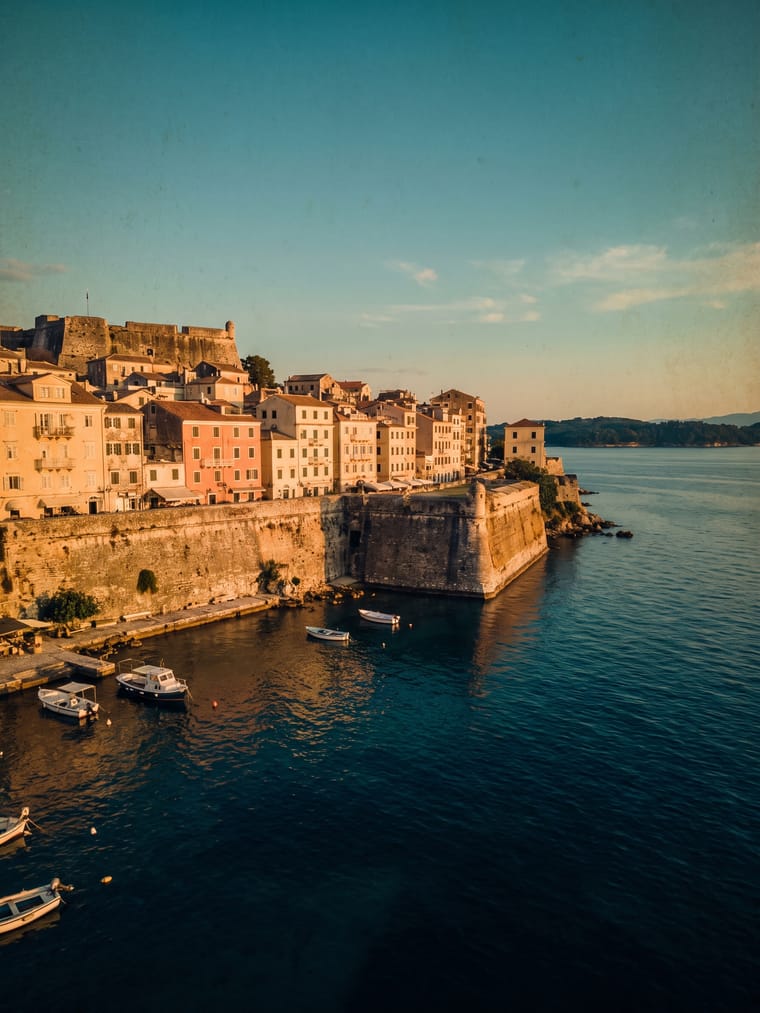
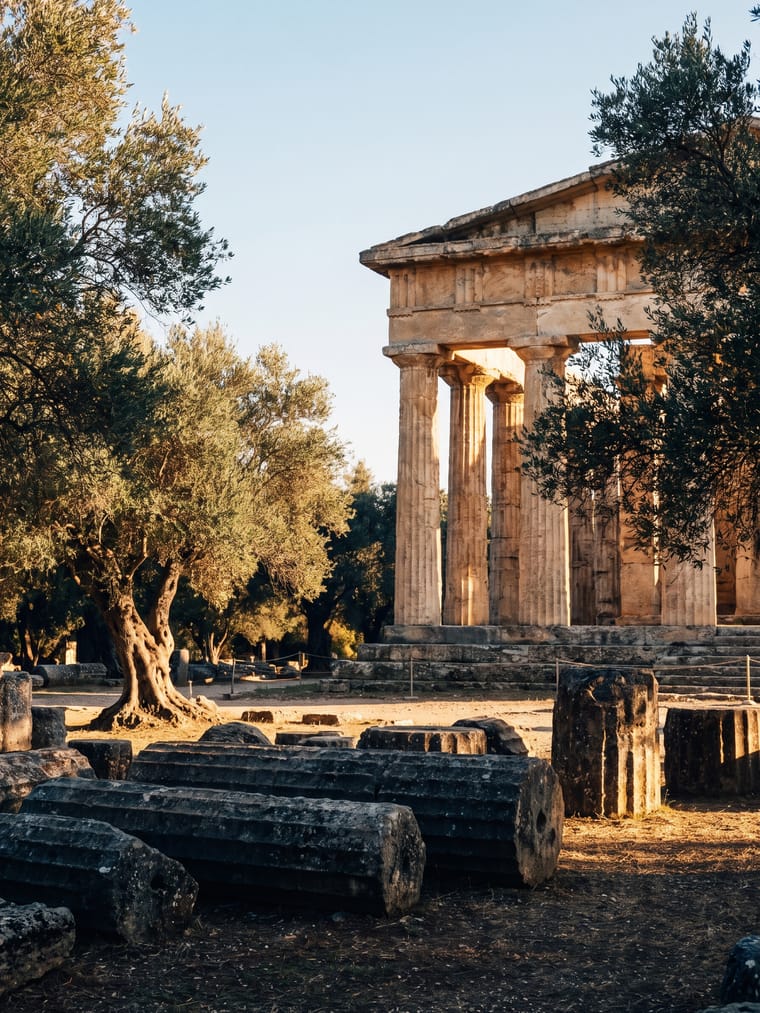
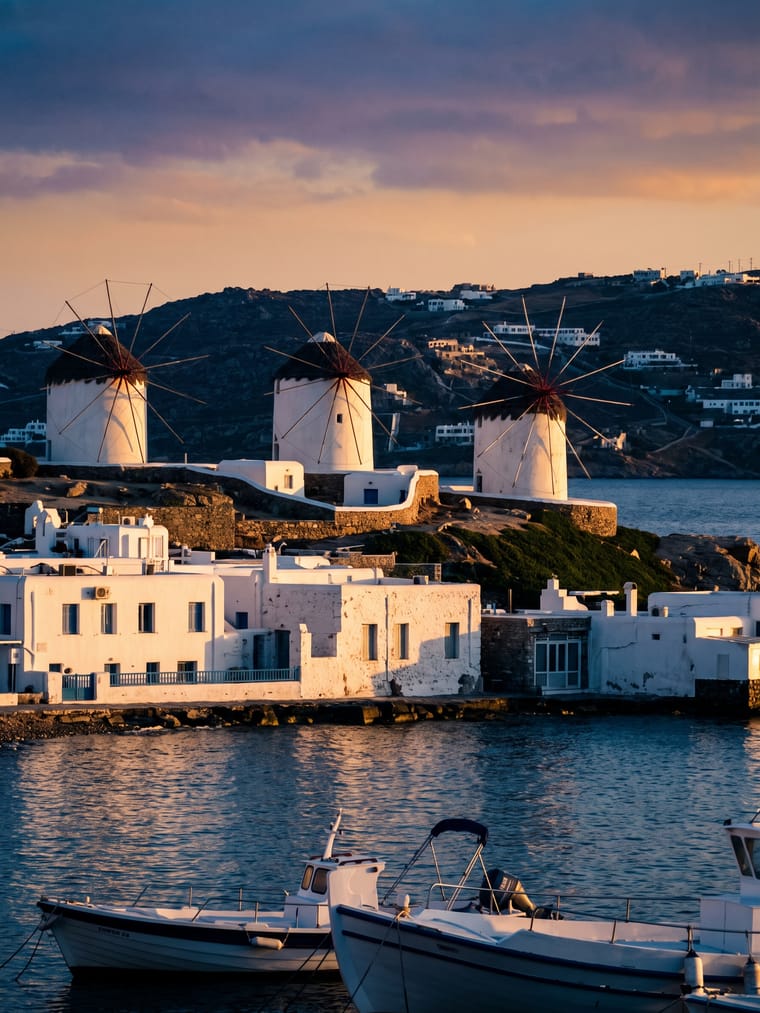
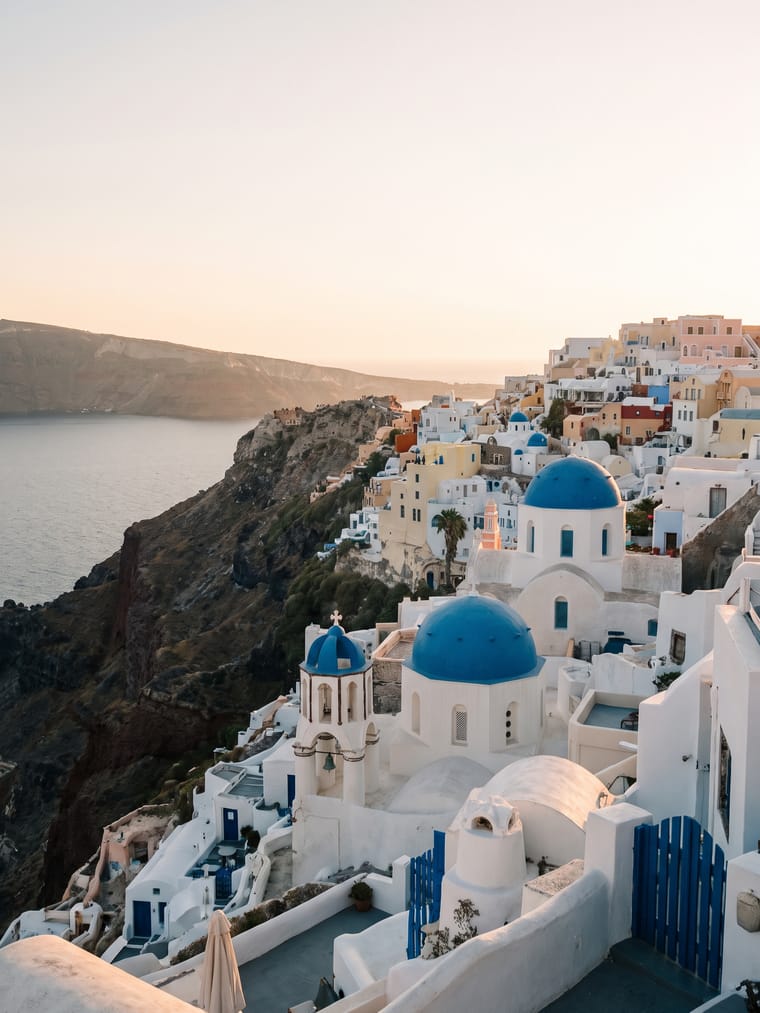
Greece’s four ports do not share a single problem; they share the fact that getting ashore is where the day is decided, not what you find beyond it. Santorini puts ships at anchor in the caldera and tenders everyone to Skala, from where the only way up to Fira is a single cable car that queues badly at peak change-over times — the same crux day after day. Mykonos runs two different arrival scripts depending on which berth a ship draws: the New Port at Tourlos is a shuttle-bus ride from Chora, while a tender straight into the Old Port drops you a few minutes’ walk from the windmills. Corfu and Katakolon sit at the calmer end of the range — Corfu docks and shuttles you into a proper Old Town in under 20 minutes with no chokepoint at all, and Katakolon is barely a destination in itself, a seafront strip that exists to put you on transport bound for Ancient Olympia, 34 km inland.
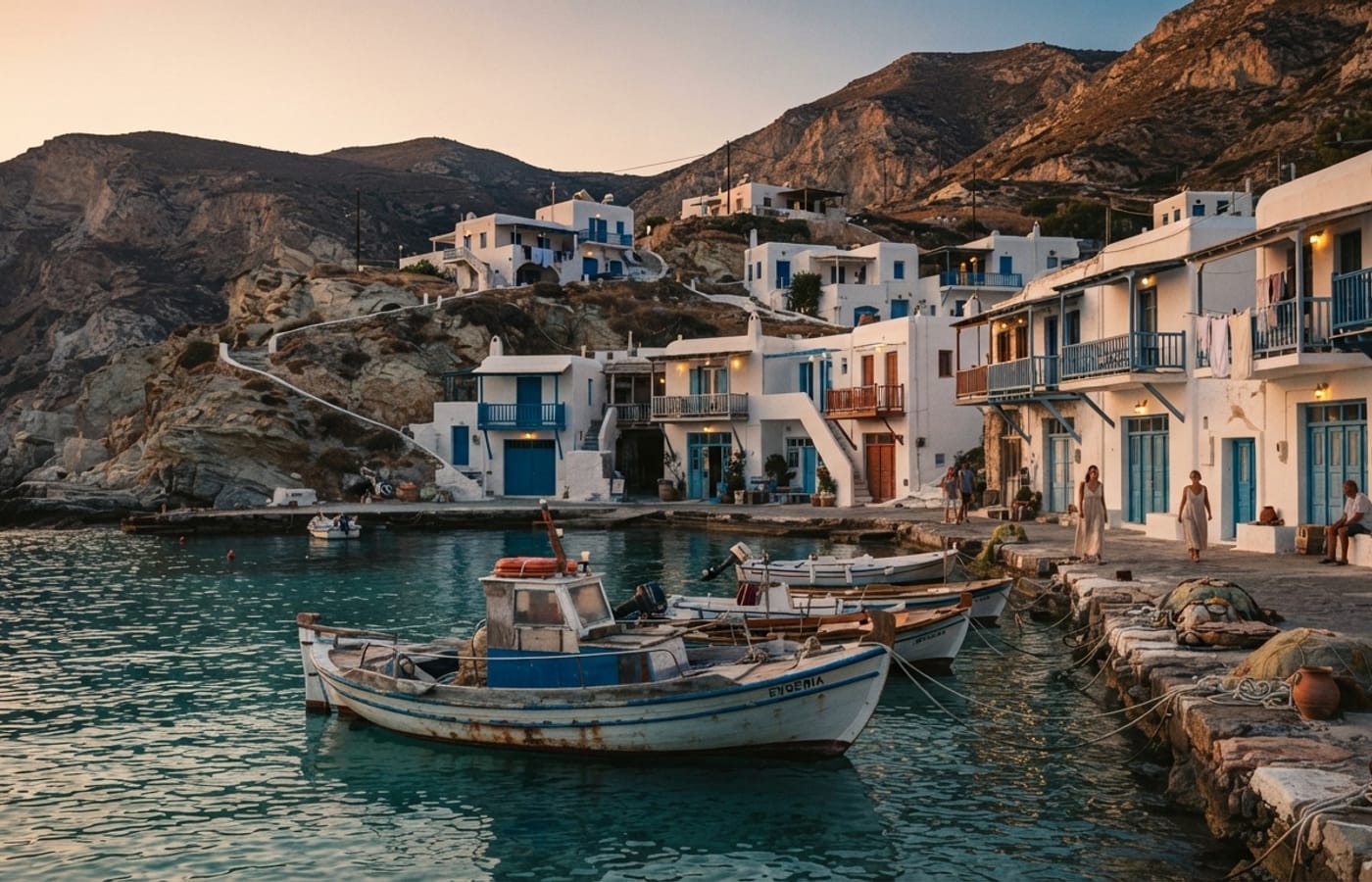
The pattern worth carrying into any Greek itinerary is this: distance from the port to the highlights rarely explains a tight schedule here — Santorini’s Fira is under a kilometre from where the tender lands, Corfu’s Old Town under two. What eats the clock is the bottleneck at the point of transfer: a cable car running every 20 minutes with everyone else’s ship also in port, a heritage train to Olympia that runs only a handful of times a day, or simply which of two berths your particular ship happens to use in Mykonos. Check the mode, not just the distance.
Every port at a glance
Every port below is run through the same standard call — ashore at 08:00, all aboard at 17:00, with a one-hour safety margin — so the numbers are comparable.
| Port | Berth | To centre | Lost getting ashore | To the main draw | Usable on a 9h call |
|---|---|---|---|---|---|
| Katakolon | Dock | 0.1 km | −8min | 3min | 7h 52m |
| Santorini | Tender | 0.3 km | −1h | 8min | 7h |
| Mykonos | Dock | 2.5 km | −15min | 15min | 7h 45m |
| Corfu | Dock | 1.8 km | −15min | 20min | 7h 45m |
Katakolon puts you in front of the main sight fastest (3min); Corfu takes longest (20min). One of these is a tender port —see how much that costs you.
What a port day here is really like
Greece is Schengen, so passengers on a normal Mediterranean cruise don’t clear a separate immigration check ashore — the constraint at every one of these four ports is transport capacity, not paperwork. Where a port docks (Mykonos, Corfu, Katakolon) that’s usually straightforward: a shuttle bus or short taxi with room for everyone. Where a port anchors and tenders (Santorini, and Mykonos when a ship draws the Old Port), the number of tender boats and their turnaround time becomes the real limit on how fast the ship can get people ashore in the morning and back aboard in the evening.
The one number worth confirming before a Greek port day is whichever queue applies: Santorini’s cable car (or the 588-step donkey path as the fallback), or Katakolon’s heritage train timetable, which is sparse and loosely tied to cruise calls rather than a fixed daily service. Everywhere else on this list — Corfu especially — a normal shuttle or taxi covers the transfer without a bottleneck to plan around.
Cruise ports
Port day questions
Is Santorini a tender port?
Yes. Ships anchor in the caldera and tender to Skala, then a cable car (or a steep 25-minute walk) covers the climb up to Fira. The cable car queue, not the tender ride, is the real time cost.
Does Mykonos dock or tender?
It depends on the ship. Most large ships dock at the New Port in Tourlos, about 2.5 km from Chora, and shuttle passengers in. Smaller ships anchor and tender straight into the Old Port, a short walk from the windmills.
Which Greek port is easiest to get into town from?
Corfu. It’s a proper dock with a shuttle, bus or taxi into the Old Town in around 10 minutes, and no queue comparable to Santorini’s cable car.
Why does Katakolon exist as a cruise port?
To reach Ancient Olympia, about 34 km inland. The port itself is a short seafront strip; almost every passenger who calls here is heading straight for the ruins by train or taxi.